

What mistakes do beginner Mahjong players make?
Beginner Mahjong players often rush turns, reach for tiles too early, ignore house rules, chase points before learning hand shape, and discard without a plan. The fix is supported repetition: slow down, read the table, and learn why each tile helps or hurts.
The mistakes that slow beginners down are rarely dramatic. They are tiny habits that repeat: touching too soon, rearranging constantly, keeping every interesting tile, or forgetting what the table is trying to build.
A good class should make these habits visible without making anyone feel embarrassed. Once you can name the habit, you can fix it.
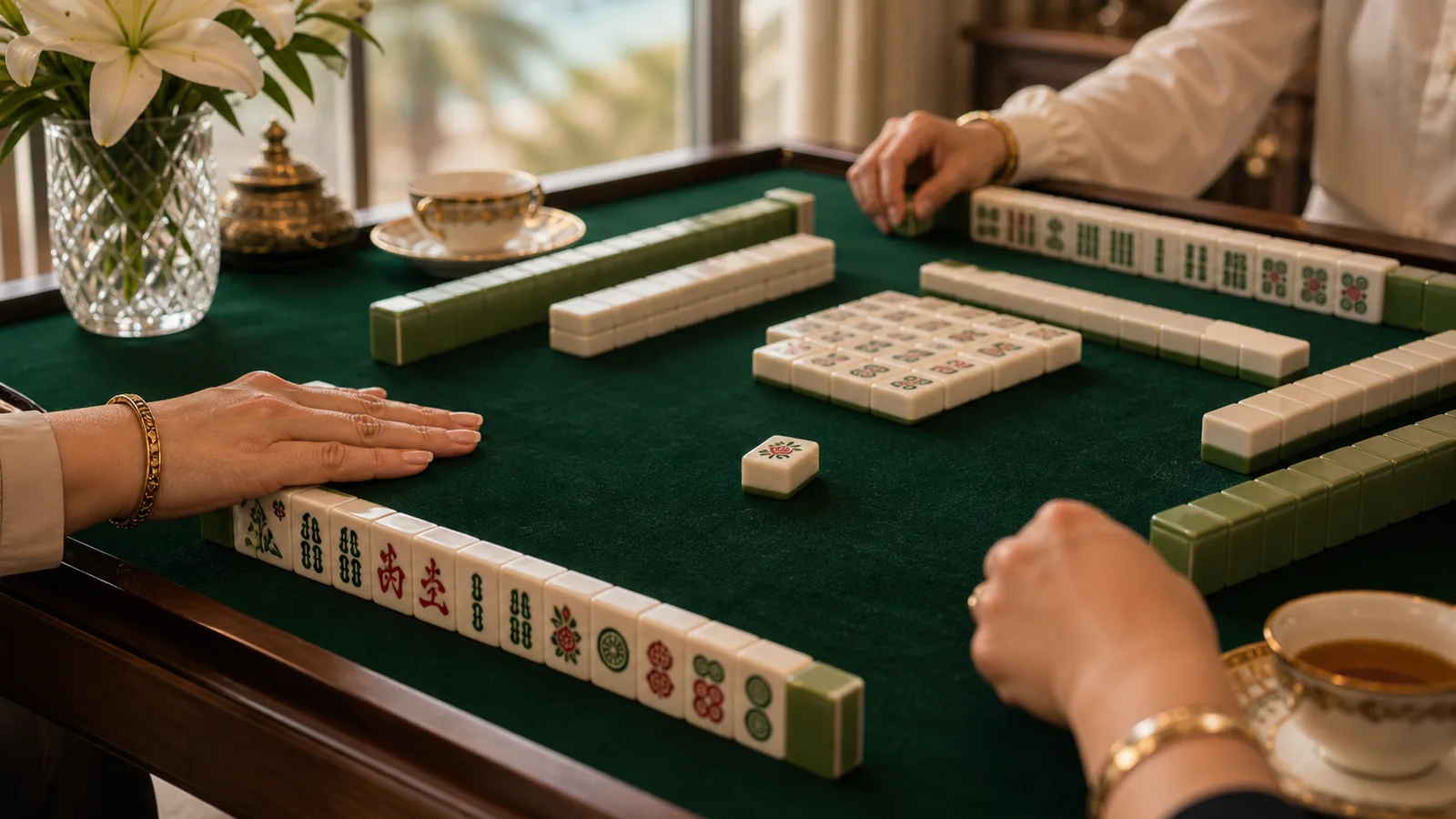
The nine mistakes to watch for
If you are new, read this list gently. Every player has done at least a few of these. The point is not to be perfect. The point is to know what to notice next time.
- Drawing before the previous turn is fully finished.
- Rearranging tiles so often that you lose the shape of the hand.
- Keeping too many unrelated tiles because they all look useful.
- Chasing a high-scoring idea before you understand a simple hand.
- Discarding quickly because you feel watched.
- Forgetting to check the table's house rules.
- Ignoring discarded tiles when deciding what is safe.
- Asking for help only after the hand has already gone sideways.
- Trying to learn several Mahjong styles at the same time.
The calm fix: slow the first decision
Most beginner hands improve when the player slows the first decision. Before discarding, ask: What am I building? Which tiles belong together? Which tile is the least connected to the rest of my hand?
That one pause can prevent a lot of confusion. It also gives the host a moment to explain the thought process instead of just naming the correct move.
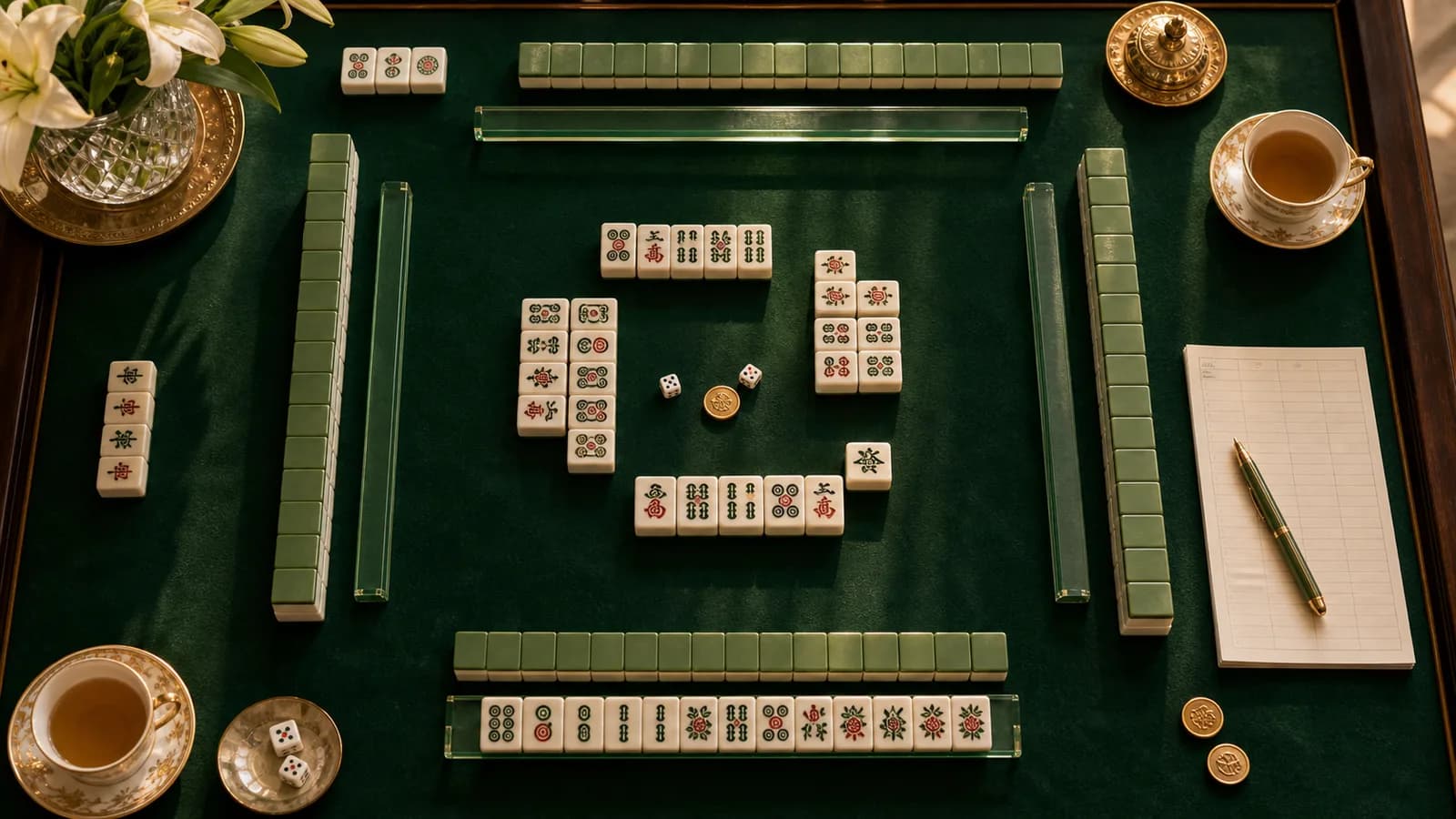
Why Club play fixes mistakes faster
Mistakes become easier to correct when they happen at a real table. A guide can see the pattern, stop the table at the right moment, and explain the choice while the hand is still fresh.
This is why a second session often feels better than the first. You are not learning new rules from scratch. You are cleaning up the habits that made the rules feel messy.

What to do after a confusing hand
Do not just move to the next hand and hope it gets clearer. Ask one specific question: What was the first point where my hand became harder? That question teaches more than asking why you lost.
At Mahjong World, the aim is confidence, not perfection. A beginner who understands one mistake clearly is already improving.
Frequently asked questions
Is Mahjong confusing for every beginner?
Yes, at first. The game has unfamiliar tiles, table rhythm, and house rules. Confusion usually drops once the player gets supported repetition.
What should I focus on in my first few Mahjong games?
Focus on tile recognition, waiting your turn, noticing connected tiles, and asking why a discard makes sense.
Can Club help if I already took one class?
Yes. Club is often the best next step because it builds habits in real hands rather than adding more theory.
Related guides


About the author
Neha Bali
Hi, I'm Neha. I'm a certified Mahjong teacher in Dubai with 15 years of Mahjong experience. I host classes, Club sessions, and tournaments for players who want clear rules, steady practice, and a friendly table to return to.