
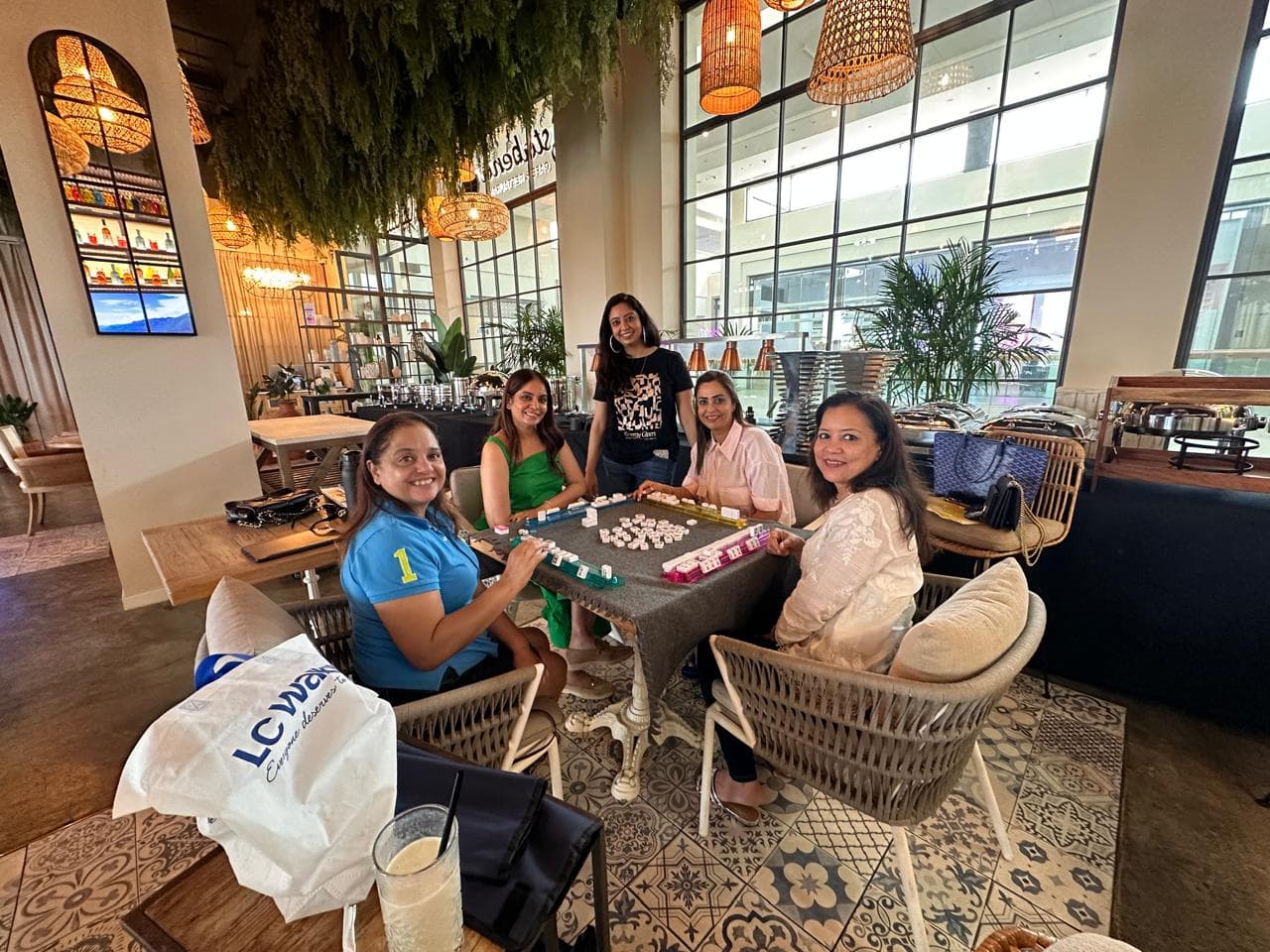
Why is Mahjong becoming so popular in Dubai?
Mahjong is becoming popular in Dubai because it gives people a screen-free, social, mentally absorbing reason to gather. The game works for beginners, Club tables, and tournaments because one host can teach the rules while four players build a shared rhythm at the table.
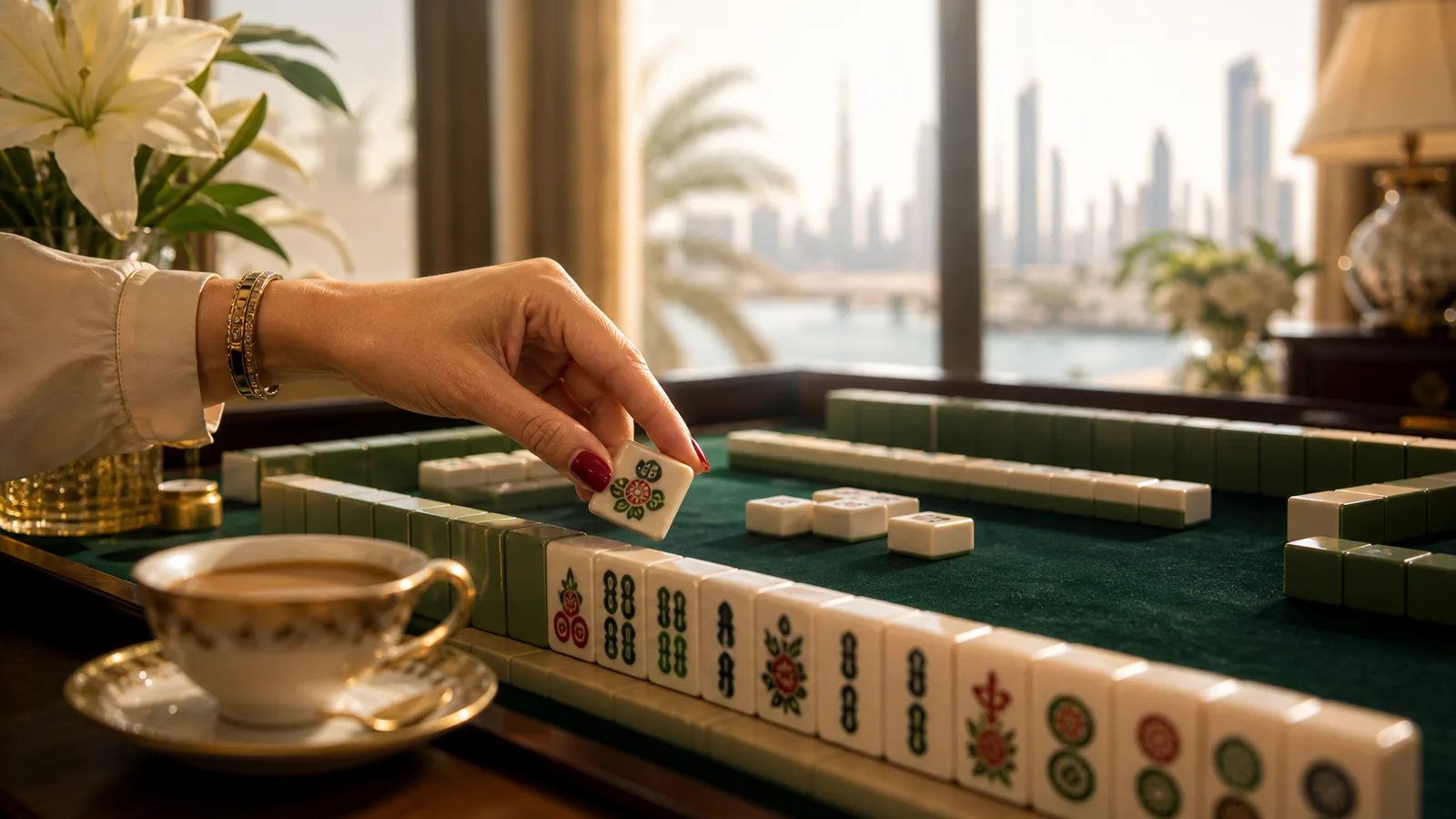
The short answer at my tables is simple: Mahjong in Dubai gives people the kind of afternoon they keep saying they want. Phones go down. The tiles come out. Four people have to pay attention to the same thing at the same time.
That sounds small until you watch it happen. A new player arrives worried that the tiles will feel too foreign or the rules will be too much. Twenty minutes later she is asking whether she should keep a pair, whether a discard is safe, and when she can come back to play. The game has a way of pulling people in before they have the vocabulary for why they like it.
The Dubai reason: people want a better way to gather
Dubai is full of lunches, coffees, mall meet-ups, gym classes, and home gatherings. Mahjong fits into that world, but it gives the gathering more shape. You are still with friends. You are still talking. But the table gives everyone a shared focus, and that changes the energy of the room.
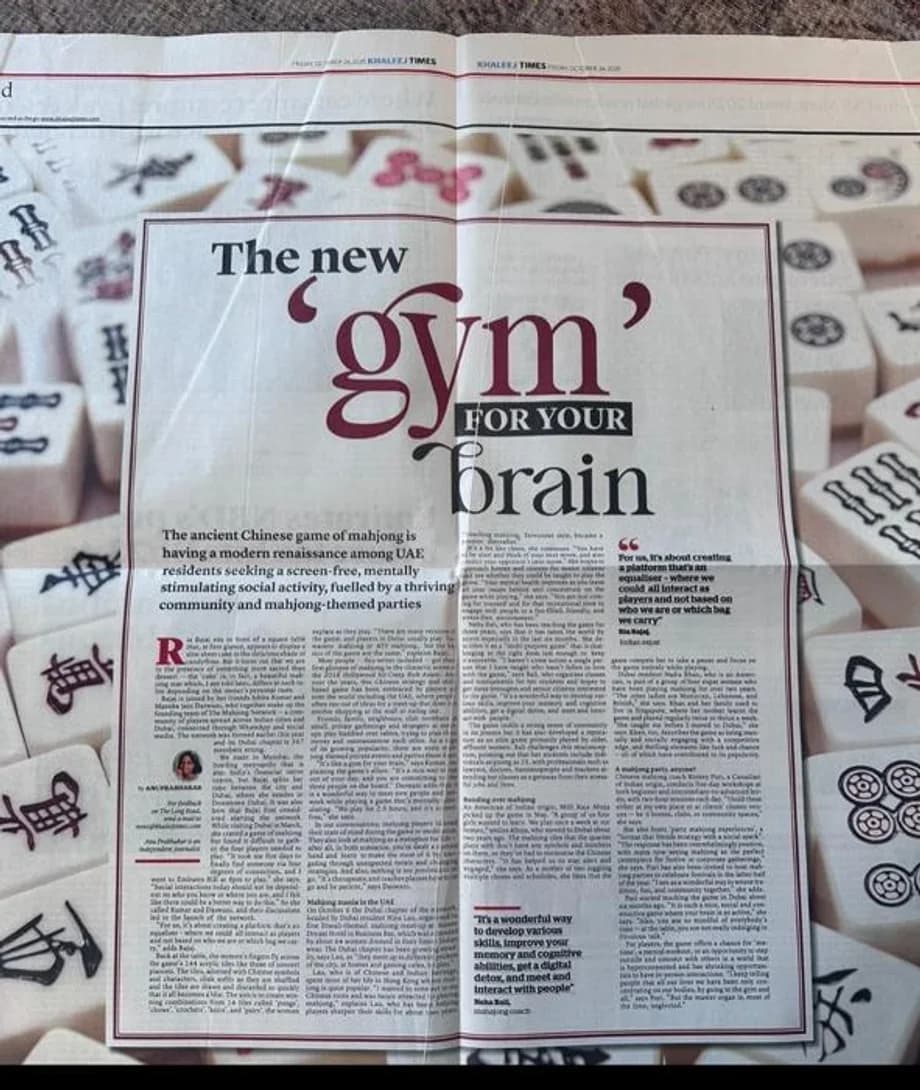
Khaleej Times made this visible in its October 24, 2025 feature on Mahjong in the UAE. The article described Mahjong moving into Dubai living rooms, cafes, social gatherings, and community meet-ups, and reported that one Dubai chapter of The Mahjong Network had 367 members. That is not a tiny niche anymore.
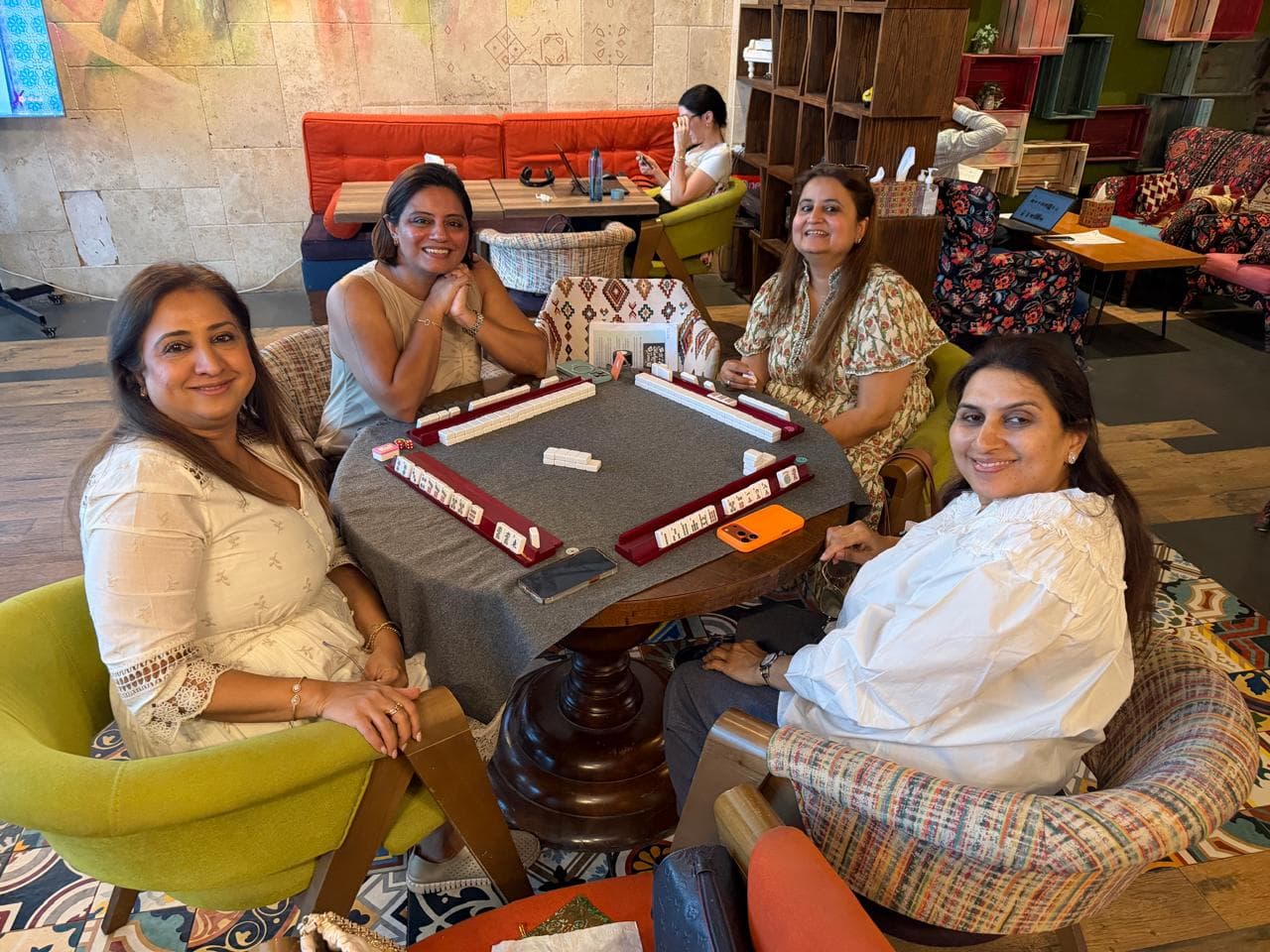
What I see at Mahjong World Dubai is similar, but more intimate. People come because a friend mentioned it, because they played years ago in another country, because they want a screen-free hobby, or because they are bored of social plans that only revolve around eating out. The common thread is not age or background. It is the desire to sit with people and actually be present.
The global reason: analog hobbies feel new again
The Dubai trend is part of a wider Mahjong revival. Axios reported that Eventbrite Mahjong events in the United States rose 179 percent from 2023 to 2024, with younger players drawn to offline connection and hands-on hobbies. You can see the same pattern in club tables, home lessons, and community nights.
Mahjong has a practical advantage over many social hobbies: it is deep enough to keep returning to, but it can still be introduced gently. You do not need to be athletic. You do not need to perform. You do not need prior Mahjong experience. You just need a host who can slow the first table down and make the rhythm visible.
That is why the game travels so well. A table in Dubai can feel different from a table in New York, Taipei, Hong Kong, Mumbai, or Singapore, but the basic pleasure is recognizable: tiles, choices, luck, memory, conversation, and the small satisfaction of seeing a hand come together.
What beginners should know before comparing Mahjong styles
This is where many beginners get overwhelmed. They hear Goulash, Asian, ATF in Dubai, Taiwanese, American, Hong Kong, Riichi, Chinese, and house rules before they can even identify dots from bamboo.
The useful thing to know is that Mahjong is a family of games. Many versions share the same tile language and draw-discard rhythm, but they can differ in hand size, scoring, calls, bonus tiles, jokers, racks, cards, and table etiquette. A style is not just a label. It changes how you think at the table.
- Start with the style you are most likely to play in real life.
- Ask the host which rules, scoring, flowers, jokers, and calls are used at that table.
- Avoid learning three styles at once in your first few sessions.
- Treat house rules as part of the lesson, not as an inconvenience.
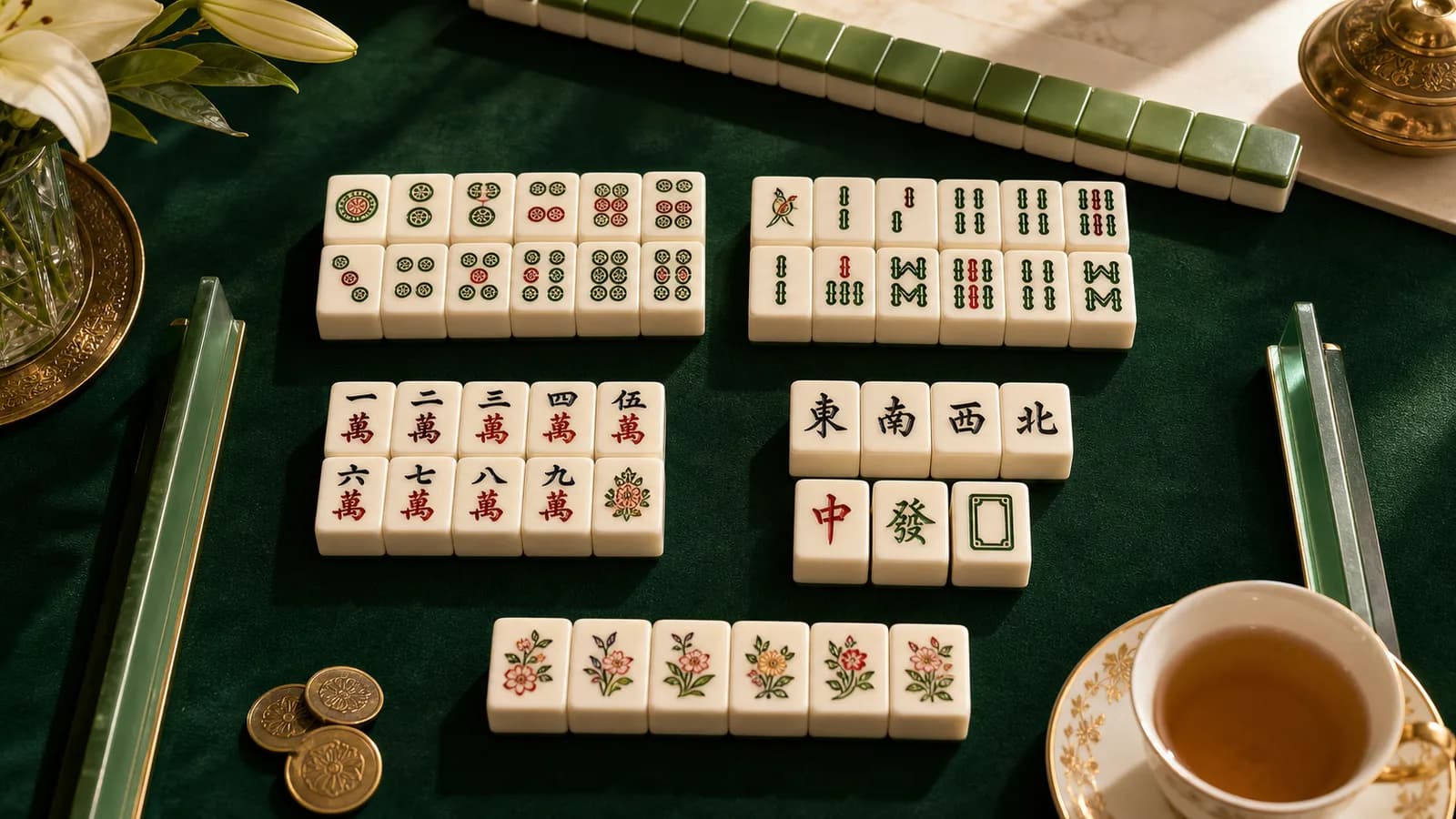
Asian (Goulash and Hands) - Dubai Style Mahjong
In Dubai social circles, you may hear people say Asian, ATF in Dubai, or Goulash when they are talking about the style they play. At Mahjong World Dubai, the class name is Asian (Goulash and Hands) - Dubai Style, also known as ATF in Dubai: a 13-tile social game with flexible play, half-limit/limit hands, and house rules.
The key difference from American Mahjong is that you are not working from a yearly American card. The key difference from Taiwanese Mahjong is that Asian (Goulash and Hands) - Dubai Style tables are not built around the Taiwanese 16-tile hand rhythm. But the exact details can vary, so the smartest question is still: which house rules are we using today?
One more nuance: outside this local context, the word goulash can also be used in older Mahjong writing for a drawn hand or a special continuation hand. That is why asking the host matters. The same word can mean different things depending on the table.
Taiwanese Mahjong: the 16-tile rhythm
Taiwanese Mahjong usually feels different because of the hand size. Instead of the common 13-tile hand that wins with a 14th tile, Taiwanese Mahjong is known for a 16-tile hand that wins with a 17th tile. That changes the shape of the hand because players are usually building five sets and a pair.
For a beginner, that means there is more space in the hand, more possible directions, and a different rhythm when you are deciding what to keep. Taiwanese tables can feel lively and strategic, but they should still be introduced slowly if the player is new.
If you learned a 13-tile social style first, Taiwanese Mahjong will not feel impossible. It will feel like the same tile universe with a different engine underneath. Give yourself time to reset your hand-building habits.
American Mahjong: card, jokers, racks, and the Charleston
American Mahjong is more structured in a very visible way. The National Mah Jongg League describes American Mah Jongg as using a card of standard hands that changes annually, jokers, and the Charleston, where players pass unwanted tiles at the start.
That yearly card is both helpful and intimidating. It gives you a menu of hands, but beginners can freeze if they stare at the card without understanding how to translate it into tile decisions. A good American Mahjong lesson should teach the card through real examples, not hand it to you and expect you to decode the game alone.
American Mahjong can be a lovely fit for players who like patterns, categories, and a clear reference card. It is not the same as Goulash, Taiwanese, or Hong Kong style Mahjong, even when the tiles look familiar.
Which Mahjong style should you learn first in Dubai?
Learn the style you will actually be able to keep playing. That is the honest answer. The best style for a beginner is the one attached to a real table, a clear teacher, and enough practice after the first lesson.
If your friends are playing Asian (Goulash and Hands) - Dubai Style, also known as ATF in Dubai, start there. If your community plays Taiwanese, learn Taiwanese. If your relatives or club play American Mahjong, learn the card. The mistake is not choosing the wrong style. The mistake is trying to compare every style before you have played enough hands to feel the game.
- Choose a beginner class if you have never played and want tile recognition, turn order, and hand rhythm explained from zero.
- Choose Club if you know the basics and want regular table time.
- Choose Club after class: Guided Play for new learners, or Independent Play once you have played for more than two months.
- Choose tournaments if you want friendly competitive play with structure.
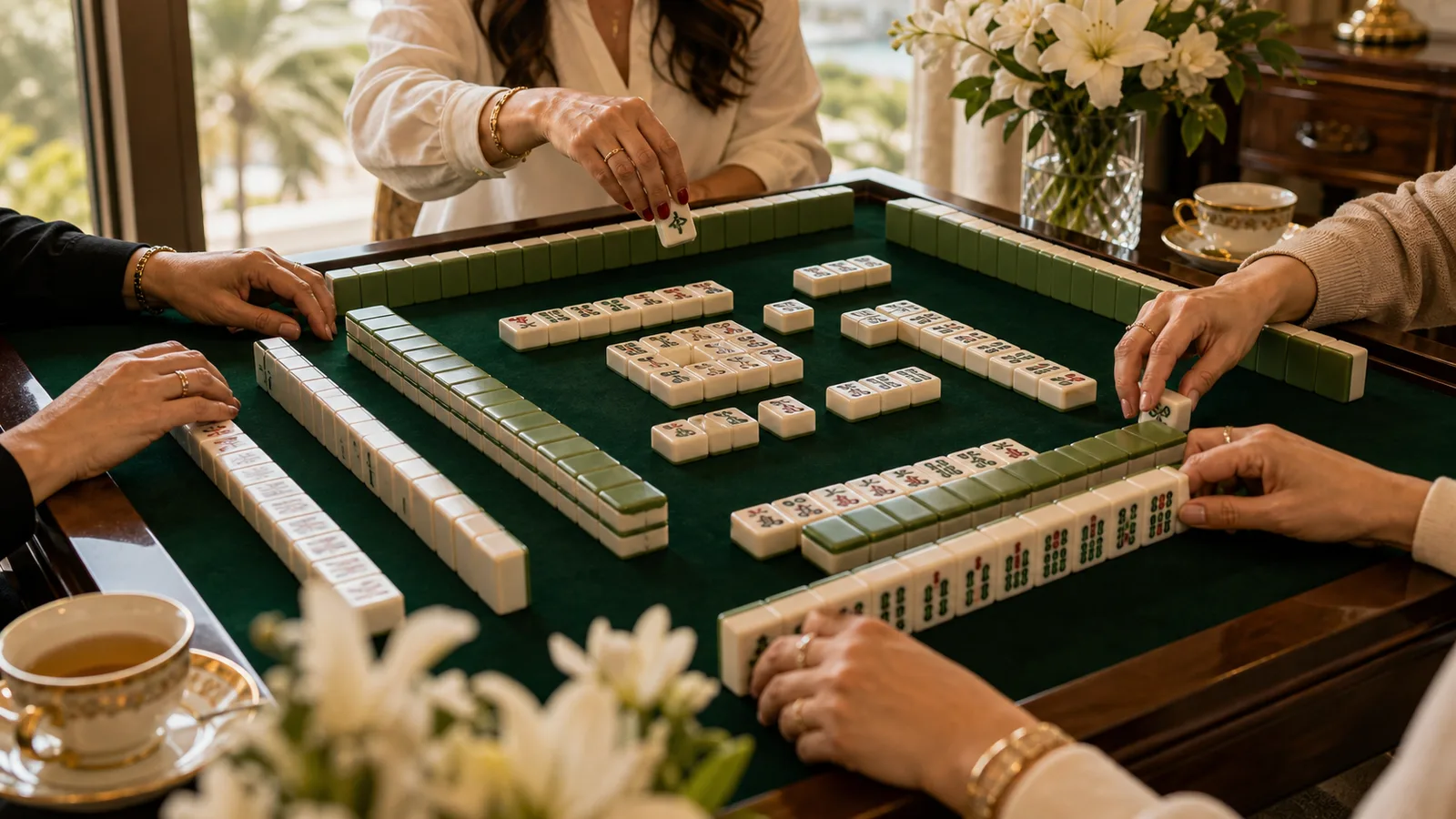
How Mahjong World Dubai teaches the trend without making it intimidating
The trend matters, but the table matters more. I do not want a beginner to leave class knowing that Mahjong is popular but still feeling lost. The goal is more practical: know the tile families, follow the turn, understand the house rules, and feel comfortable asking a question while the hand is still moving.
That is why my classes are not built around proving how complicated Mahjong can be. They are built around the first few decisions a real beginner has to make. Which tile is useful? What is safe to discard? Why did someone call that tile? What does the score sheet actually record?
Once that foundation is there, the bigger world of Mahjong becomes exciting instead of confusing. You can compare Asian (Goulash and Hands) - Dubai Style, Taiwanese, American, and other styles because you have something solid to compare them against.
What to ask before you book a Mahjong table
Before you join any Mahjong table in Dubai, ask a few simple questions. They will tell you whether the session is right for your level and whether the host is expecting beginners.
- Ask which Mahjong style or house rules will be used.
- Ask whether complete beginners are welcome or whether you should take a class first.
- Ask whether tiles, racks, score sheets, and teaching materials are provided.
- Ask how much scoring is covered during the first session.
- Ask what the best next table is after the class, especially if you want regular practice.
Frequently asked questions
Is Mahjong popular in Dubai now?
Yes. Mahjong has grown in Dubai through beginner classes, Club sessions, cafes, community meet-ups, and tournaments. The strongest draw is the mix of strategy, social time, and screen-free focus.
What is the difference between Asian (Goulash and Hands) - Dubai Style and Taiwanese Mahjong?
Asian (Goulash and Hands) - Dubai Style is a 13-tile social game with flexible play, half-limit/limit hands, and house rules. Taiwanese Mahjong is known for a 16-tile hand that wins with a 17th tile, which changes the hand rhythm and strategy.
Is ATF in Dubai an official global rule set?
ATF in Dubai is used locally or table-by-table, so beginners should ask the host exactly what rules, scoring, flowers, jokers, and calls are used before comparing it with other Mahjong styles.
Is American Mahjong the same as Chinese or Asian Mahjong?
No. American Mahjong uses a yearly card of standard hands, jokers, racks, and the Charleston. Other Asian and social Mahjong styles can use different hand structures, scoring systems, and house rules.
Sources and further reading
Related guides
About the author
Neha Bali
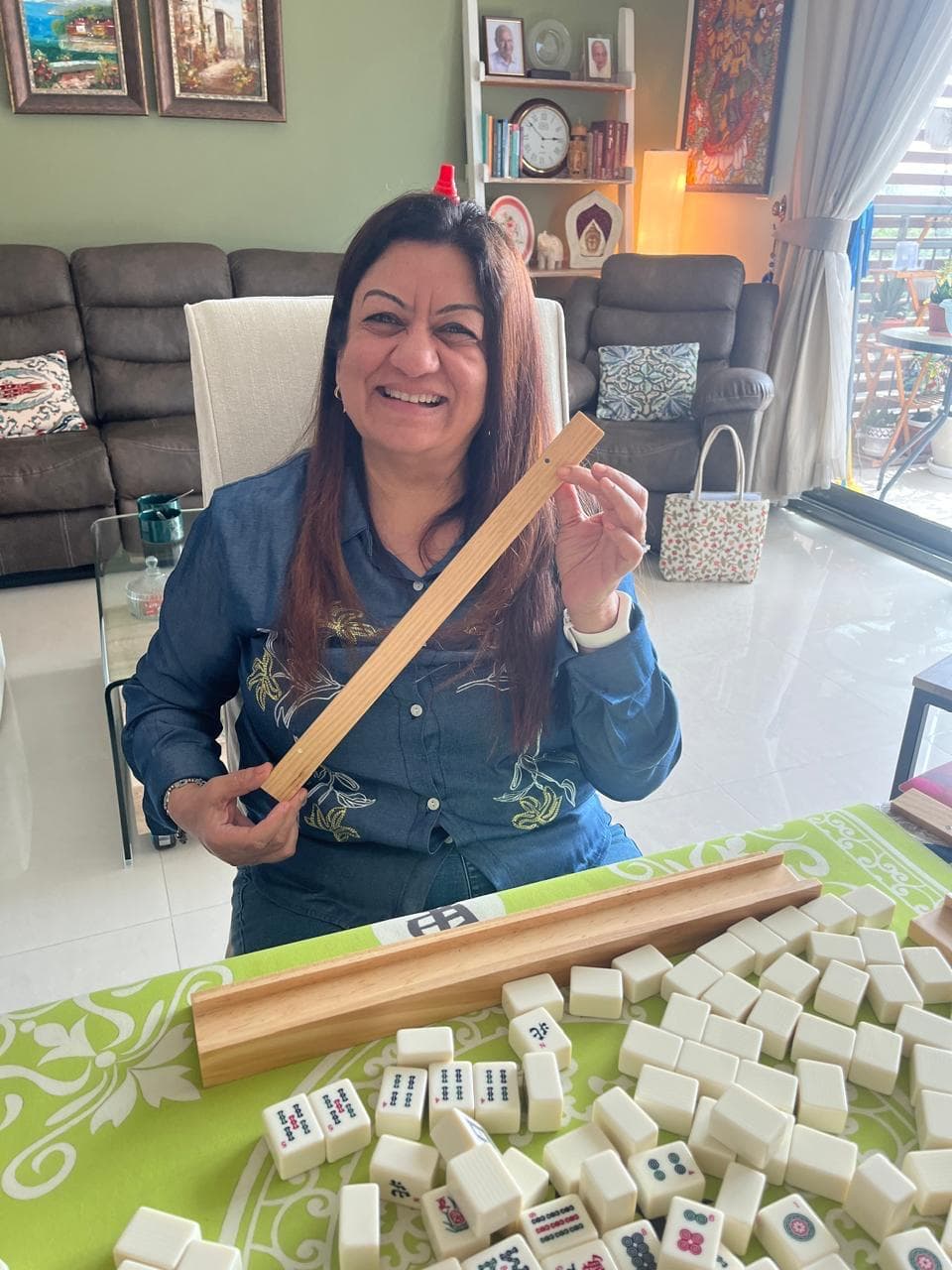
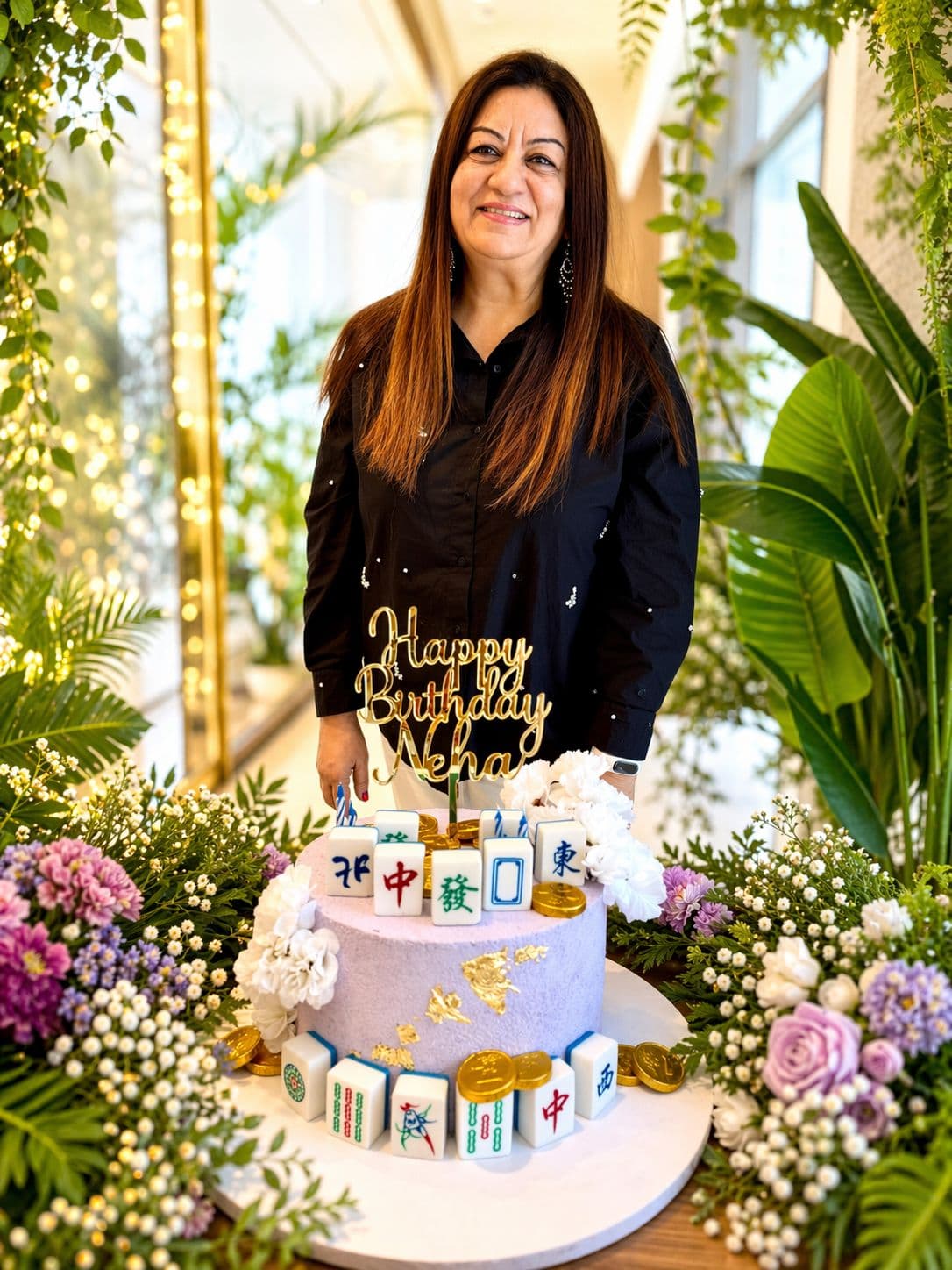
Hi, I'm Neha. I'm a certified Mahjong teacher in Dubai with 15 years of Mahjong experience. I host classes, Club sessions, and tournaments for players who want clear rules, steady practice, and a friendly table to return to.